Episode Transcript
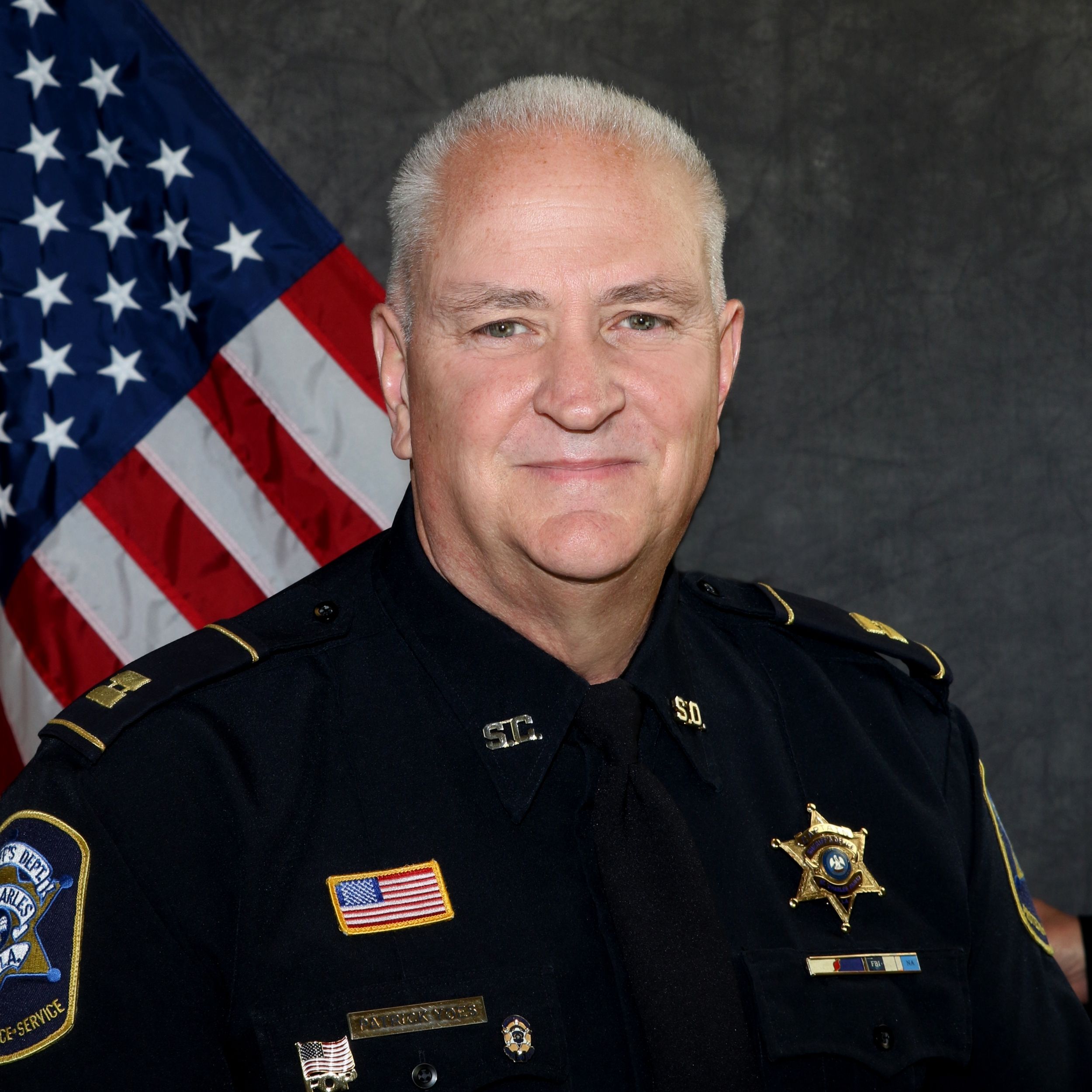
[00:00:00] Speaker A: Today we shine a spotlight on one of the most influential voices shaping our nation's approach to security and public safety. We're honored to welcome the Chairman of the United States House of Representatives Homeland Security Committee, Representative Andrew Gavarino, a leader who has represented the New York's 2nd congressional district with distinction since 2021. My name is Patrick Yohs, National President of the Fraternal Water Police. And this is the Blueview.
[00:00:27] Speaker A: Representative Gabarino. Thank you for taking some time. Look, I know that as we're recording this the government's back in session and I know you had a lot of catching up to do, so I'm very conscious of your time. But there are a few things that I'd love to dive into.
First, if you could just tell our viewers and listeners a little bit about yourself.
[00:00:45] Speaker B: Well, I'm in my third term in Congress here representing New York 2nd district. Took over for the great Peter King, who I'm sure a lot of your listeners, you know, knew, knew of Pete. He was one of the first chairman of the Homeland Security Committee, was very instrumental on following 911 helping sure police and firefighters were taken care of, especially those who were down on the pile in Manhattan. He helped create the health care World Trade center health care program. So big shoes for me to fill in.
Haven't served after Pete, but thank God he's still around so he can be a great advisor.
But in my, in my third term now new chairman of the Homeland Security Committee again following good old Peking and trying to fill.
[00:01:39] Speaker B: Fill those shoes. But with the 25th anniversary, 911 coming up next year, it's great to have the gavel back in the hands of a New Yorker.
People forget that this committee started after 9 11. You know, this is, the Homeland Security Committee was not something that's been around forever. This was put together, the committee and the department were put together after following 911 to make sure another 911 doesn't happen never again.
And next year is the 25th anniversary. So honored that my colleagues in Congress chose me to lead the committee at this time and looking forward to getting a lot of, a lot of work done both in, in the House and working with the administration Secretary Noem, you know, to, to protect our homeland. And that's. And that's, we have to, and we have a lot of oversight and that's done in a lot of different ways. But you know, very happy to be here with you all today and you know, again, life lifelong Long Islander, I live about five minutes from where I grew up, where my dad and mom still are.
So it's on Long Island. It's, it's. And it's a very, very pro police.
[00:02:47] Speaker B: Neighborhood. Very pro police area. Got a lot of New York, nypd, Suffolk, Nassau cops.
[00:02:53] Speaker B: Federal law enforcement officers live in my district.
And I'm honored to represent them here in Congress.
[00:02:59] Speaker A: You know, 25 years.
Coming up on 25 years. Man, the world has changed so much in 25 years. And in some ways it's reverted right back to some of the same madness that we had before. So maybe we'll dive into that if we have some time. But let me tell you, I will say this.
I know this. And you know, being a congressman is not an easy task. It's very time consuming. And stepping up and taking a leadership role like you are, well, that just adds even more to your plate. So thank you for standing up and protecting America's homeland. I had the honor to testify in front of that committee after the assassination attempt on then former President Trump. So I appreciate the work that all of you do. I'm going to dive right into this because I know your time is valuable. But I want to talk about really three key issues and then we'll go back to anything you'd like to talk about as well. I don't want to talk about you, Aussie. That's one of the things that's oversight of your committee and something that is really important to, you know, some of our largest cities and many of our members across the country. Yeah, I know that the President's executive order didn't directly mandate a specific dollar amount that should be cut from uassi, but, but it has caused a hold on those funds and creates a little bit of a, I guess a little bit of a challenge. The budget. And it was 553 million, I think now it's, I mean, I'm not sure exactly where it stands now, but could you just.
[00:04:25] Speaker B: It's around this. I think it's around that amount that was appropriated. Yeah, it was a little higher a few years ago, though.
[00:04:32] Speaker A: Could you talk just a little bit about just the importance of that, that fund and how it helps our homeland?
[00:04:38] Speaker B: Well, absolutely. I mean, it is hugely important. It is, it is the, you know, for those who don't know what US is, it's the Urban Area, Urban Area Security Initiative Program. And it goes specifically to.
[00:04:54] Speaker B: Supplement.
[00:04:56] Speaker B: Police departments, fire departments. FDNY gets a chunk of the money.
You know, the way the grant has been run in the past is the awardees are, you know, determined from a formula and it's it's usually a risk based formula.
So if your city or area is higher risk for a, a terrorist attack.
[00:05:20] Speaker B: Then you're going to get a bigger piece of the pie. Which is why New York, and rightfully so, in my opinion, has been the number one recipient of, of these, these program dollars.
And this is not something that we pay out to the state and then the state, you know, can do what it want, does what it wants with the money.
This is a program where you. Yeah, it's risk based. It's based on all the terrorism factors or counterterrorism factors that we get and information we get and how the money can do most good. And we give it to the state, but the state then passes it down to the nypd, to the fdny, to the police.
[00:06:03] Speaker B: Departments in the surrounding areas like Nassau, Suffolk, Westchester Police Department.
And they use this money for equipment, necessary equipment, necessary training to make sure our law enforcement officials, officers can respond if there is one, it gives them equipment to try to prevent a terrorist attack and two, it gives them the equipment they need to respond or the training they need to respond if there is a terrorism attack.
And you know, New York has been the top recipient of this money. In other cities, you know, like la, San Francisco and a few others have all been, you know, the top recipients because they are, they are the targeted city you go to. You know, no matter what language you speak, people know what New York City is. You know, they know that they know those words. So there was a little concern this year.
[00:06:57] Speaker B: The grant, the grants that came out cut New York's funding for the UASI grant by 87%.
That out of the Department of Homeland Security. That was very concerning because that was going to leave a huge hole in New York's city's police budget. I mean there was talks about shutting down the.
[00:07:18] Speaker B: Intelligence sharing operations, the bomb squad. I mean there was a lot. This was going to cause a major, major issue.
[00:07:25] Speaker B: And I had said it publicly, I thought it was wrong. I thought they, you know, these are risk.
Somebody needed to show me how the risk based assessment changed that much, that New York was going to get cut 87% while other cities were going to grow. I mean, I'm not saying other cities don't deserve, deserve money to help with this, but New York is on the top of everyone's terror target list.
And luckily the President saw it the same way. So when he, when he heard that the money was cut, the Grant was cut 87% to New York, he reversed it. He came out publicly right and said, no, no, no, that's not happening.
New York needs this money. And he directed the secretary to reverse that cut. So I'm happy to say that the President did that. And now we're just waiting for Homeland Security Department to.
[00:08:16] Speaker B: To get that money to the state so they can get it down to the, to the police organizations, fire organizations, the law enforcement organizations that so desperately need it to protect us especially. I mean, and again, to have those cuts, to have those cuts when we have the 25th anniversary of 911 coming next year, it's America's 250th birthday.
So we're going to have the tall ships in the city.
We have. FIFA is coming, you know, so, I mean, this is. There are so many things happening next year that I think a, those cuts would have been devastating and opened, opened us up to, to really a risky possible risk of a terrorist attack.
[00:09:02] Speaker A: You know, it's a wide range of what these funds are used for, you know, intelligence gathering, prevention, all of this. But it's also, it's also readiness as well. You know, I guess the, I guess it would, in a perfect world, we would never know if we cut, cut it and we, and it hurt us. But the reality is, is that we live in a very, very aggressive time where, where we are a target and it's just a matter of when we need to be prepared for it. We need these resources. And there was a lot of concern. I bring this up, A lot of this has been resolved, but a lot of concern when this, we were going through this. I appreciate your leadership with it. We also signal that same concern about the cuts and got us where I think we need to. So, so thank you for that.
[00:09:41] Speaker B: I will say that you make the point about we'll never know. We do know. I mean, we do know that and we know that that intelligence center in New York and the money, these grants have stopped terror attacks in the past. So I do think, you know, thank God that you all did the work you did to reverse those grants. We, I mean, we all, we all were paddling the same direction. So, you know, my promise is to not let another 911 happen. And absolutely, that's why we had to fight so hard.
And you, you were great, you all were great partners in that.
[00:10:10] Speaker A: Well, thank you. I want to, I want to shift gears a little bit. This is a very challenging one for us, and this is something that you have been a big part of. I want to thank you for taking a leadership role on it. But when you look at the law Enforcement Equity act with our federal partners. You know, the 6C retirement benefits. You know, when you have essentially two people doing the same exact job next to each other, but because of the classification when they were hired, determines whether or not they're going to receive benefits. This is a. For us, a huge concern. When you think about who's guarding some of the most sensitive locations across this country and the confidence that we're putting in them. We're seeing such a turnover because of the lack of equity of which we. We have in our hiring processes. You have been a staunch supporter of this. I want to thank you for that and I'd like for you to dive into little bit help our members, those who might not understand extending, understand exactly what it's doing. And what do we need to do to fix this?
[00:11:08] Speaker B: Yeah, well, we have to. I mean we have to pass the Law Enforcement Officers Equity act to rectify the problem of these. And please ignore the beeping in the background. That's when our. We go into session on the floor for, for debate. So.
[00:11:25] Speaker A: Well, I got very noisy.
[00:11:27] Speaker B: It's a very noising sound.
[00:11:28] Speaker A: I'm competing with a thunderstorm here. So we'll have a lot sound to. To try and work out of here.
[00:11:33] Speaker B: That makes it more interesting for the listeners, I guess. But the, the Law Enforcement Equity act, as you said in your question.
[00:11:42] Speaker B: Fixes. It puts everybody on a level playing field because there are law or law enforcement officers that.
[00:11:51] Speaker B: Because of old.
Whether it's old definitions or misc. Or classifications based on when they got hired. You know, they are, they are frontline law enforcement officers, but they are not treat.
They're not treated that way for retirement benefits. They're not treated that way. Like you said, they're, they're, they're. They're 6C.
So this, that rectifies that, you know, and that goes to law enforcement officers with the IRS or the va.
Postal inspection of military cbp.
Some CBP officers like, you know, they're doing. They're right next to other officers on the front line and to have them treated differently is not right. So that's why it's called. That's why it's called equity. Great. We have had some great partners.
[00:12:37] Speaker B: Lead it in Congress.
The bill. Brian Fitzpatrick is a co sponsor.
[00:12:45] Speaker B: We need some new Democratic sponsors, though, because the two gentlemen. Congressman, who.
Congressman Connolly and Congressman.
Oh, God.
[00:12:56] Speaker B: From, From New Jersey both passed away.
[00:12:59] Speaker A: Yes.
[00:13:01] Speaker B: And.
[00:13:03] Speaker B: And they were both big leaders in this. And Connolly was the, he was the chair and then ranking member on the Oversight Committee at One point.
[00:13:12] Speaker B: And we need new Democratic co leads. I don't think we've been able to replace those two gentlemen since their passing. So that's probably where you guys could be helpful. How we are, in order to move this, we would love to be able to get some, some Democratic CO leads.
[00:13:27] Speaker A: Yeah, we're trying. We're pushing as hard as we possibly can. We recognize it's a little bit of challenge because when you look at the overall picture, the amount of people that are impacted by it, it's a small number, so it's hard to build a groundswell. But I want to make a, you know, you identified a number of agencies that are affected by this. I'm going to add another one.
Military installations.
Our members who are working military installations and who are guarding some of the most sensitive sites we have in this country yet because of their benefits. I would argue that we're making it less safe because of the turnover. So we're losing.
[00:14:04] Speaker A: Experience.
But in addition to that, I think we're also putting ourselves in a situation where we just don't have the best and brightest guarding some of the most secure installations we have in this country. We really need to fix this.
[00:14:18] Speaker B: And you don't want the turnover, like you said, I mean, that turnover just puts these installations at risk. You want these officers who are trained. I mean, if they have to leave, and you can't blame them for moving to another position where they are treated fairly. So I mean, we need to fix it because it's right for the, it's right for the law enforcement officers, right for their families, and it's right for, you know, the people that depend on them, because having to train new people all the time, it's just.
[00:14:45] Speaker B: It makes us less safe. So you want those trained officers to be able to stay in the positions that they're trained for and not have to, you know, move, move somewhere new and then we have to do the training all over again.
[00:14:55] Speaker A: Yeah, in my understanding, officer personnel management could play a big part in this if they just, you know. But, but, but again, all that aside, I will argue and what we're hoping to do and what we're trying to do, and it's difficult because there's so many agencies involved. We would love to know what that turnover rate is and do it in some qualitative quantitative data. So I could show that the cost of the fix is actually cheaper than what we're doing now because we're losing people. What we're doing is we've become a training ground for People to get a resume, they get training, and then a year later they work in other agencies making more money and more, more stability because of a broken system. I think, in my opinion, we would be safer and more cost effective if we just simply did the right thing in the beginning. So.
[00:15:36] Speaker B: You're absolutely right. And you're probably right. And I actually think New York State as an example, they just changed some of the way some of their officers are treated for retirement because for the same purpose they had, there was, there was equity that wasn't. There was no equity in New York on some of these law enforcement agencies. So you had NYPD or some training one.
[00:15:58] Speaker B: Officer and then they were leaving to go to another department or somewhere else. We've seen the same thing with TSA agents and the way they're treated. And they now go to, they go somewhere else.
It is more costly to have, like you said, to be a training center.
And we, we have to fix. I guarantee you're probably right. Where it would save us money.
[00:16:19] Speaker A: Yeah, yeah, no doubt. I'm going to shift gears one more time and we'll talk about one that I'm extremely passionate about because this is a very big concern. I will set it up for you. And that is I want to talk about, about the, you know, about the, the violence towards law enforcement officers across this country and the amount of officers that are being shot. This is one of our top priorities. And that this is before Congress. And it baffles my mind why we can't get any traction on this. I want to just give an example. This year. So far this year, we're just shy of 300 officers that have been shot in line of duty. Of that, 60 were shot in ambush attacks. That's just this year. This year is down maybe 4 or 5% from last year. And those numbers stay consistent. They're within 5, 10% for the last seven years. I can show you empirical data that law enforcement officers are being targeted. They've been targeted in ambush attacks at a rate that is, that is alarming and I think an epidemic. Yet we struggle to try and get the Serve and Protect act passed through both the House and the Senate.
[00:17:24] Speaker A: This is no disrespect to any other protection, but I'll use this as an example because I think it shows where we are. If there were a coal mine, was a coal mine that collapsed and people were trapped in it, we would have at congressional hearings within two or three weeks to talk about occupational safety and a need in order to protect workers across America because They're police officers. And because I could show you where 3 to 350 officers are shot every year simply because they're doing their job and a high number are being shot because of ambush attacks.
I struggle to wrap my head around why we can't seem to get Congress to recognize that we need one more tool in our tool belt and that is when we have progressive prosecutors who refuse to hold people accountable, the federal government step in and bring charges. Federal charges for someone who targets law enforcement officers. Can we talk about that one and help me understand what we need to do to get this passed through Congress? Because it baffles me that here we are 10, 12 years later after collecting all of this data to show that we have an epidemic in this country and we can't seem to get movement in commerce.
[00:18:26] Speaker B: Yeah, well, we had the Protection Serve act.
[00:18:32] Speaker B: Which I think did pass. It hasn't moved this year, but it had passed in the past and overwhelming.
[00:18:38] Speaker A: It has passed 300. Yeah, it did several years ago. It passed. We go back.
No. To 2017 or 18, I believe it passed with just one or two votes against it in the House and it died in the Senate.
They took no action with it. And since then we've been struggling to try and get some action.
[00:18:59] Speaker B: Yeah, look.
[00:19:04] Speaker B: Yes, look, you know, we have to, as you said, you know, we have to bring more attention to the issue.
We have to bring more attention to the fact that this is not something, this is not a one off. This is happening every year and we have the stats.
[00:19:19] Speaker B: That show it's happening every year. So I, you know, this is not solely under my committee of jurisdiction specifically for legislation, but I, as, as the, as the chairman of Homeland Security, we have, we have extreme broad oversight power.
So this is the first time I'm going to be saying this, but we are actually, my, my committee is going to be holding in December a hearing specifically on the assaults on law enforcement officers. We have some great witnesses scheduled to come in and it's going to be about how this increase has happened because it's something that we have to talk about. And assaults on law enforcement officers is a concern for Homeland security.
So that's why my committee is going to be doing a hearing on it to shine the light on what's, what's happening here. And I've spoken to the administration about it.
They are, the White House is very happy that we're holding this hearing. This is a priority for them as well.
They let us know that this is a priority for them as well, especially to go after those people that attack, that specifically target and attack law enforcement officers.
And whether that's at work, whether, I mean, whether that's at home, it's very important and that's why we're doing this hearing.
[00:20:34] Speaker A: Great. And thank you. Thank you. This is something that needs to happen. I tell you, working with this administration, working with Attorney General, working with Homeland Security, all of them are on board. I had a very good conversation on this topic with Keshe Patel.
Everybody's on board with it. We just need to get some movement on it. Because look, when someone attacks a law enforcement officer, that's an attack on a community, that's attack on society. If they are going to attack a law enforcement officer, what respect do they have for the citizens of those communities? So thank you and we want to work with you on that. I appreciate your leadership in that.
[00:21:06] Speaker B: You have a huge active membership. You have a huge active membership. And having them call their members of Congress to get them on as co sponsors is, as you all know, I mean, but I'll reiterate it for your listeners. Call your member of Congress and tell them you want them to sign onto the bill.
[00:21:21] Speaker A: Yeah, thank you. I appreciate it. Congressman, is there any other things on the horizon that are important to you that you'd like to share with our members that are, that you're. That would be faced, you know, coming up before your committee?
[00:21:31] Speaker B: Well, there's just a lot. I mean, we've got FIFA World cup next year, we've got the Olympics coming up in two years in la. So there's going to be a lot that we're focusing on protecting, making sure nothing happens at either one of those.
We are doing a lot of oversight over all the money that came in through the one big beautiful bill to make sure that the border is secure and safe. We've done a job. Great, great, great job. Secretary Noem has done a great job securing the southern border.
But we still have, you know, there's still some updates we need to make, whether it's technology or getting more border patrol up. So that's something the committee is going to be focusing on working with the Coast Guard to make sure they have what they need to protect our, our maritime border and, and focus heavy, focus on cyber security. You know, people forget, you know, everything is digital now and new battleground. Yeah, yeah, new battleground in China, Russia. We, our adversaries are, are, are, are, are attacking us on that battleground and we.
[00:22:31] Speaker B: To make sure our critical infrastructure is protected.
And that is, that is a Huge focus.
That's gonna be a huge focus on my committee. So, you know, anything that affects our homeland security is something that, you know, we're going to be focusing on making sure that we are protected.
And that again, you know, with the 25th anniversary, 911 coming up next year, we want to make sure that we have the lessons learned from that. So one a 911 and we've actually acted on them and that a 911 will never happen again.
[00:23:01] Speaker A: Great. And I'll let that be. I'll let that be the final word. Congressman, I want to thank you, Gabriela. I want to thank you for spending some time with us. I want to thank you for your leadership and support of the men and women who suit up and make a difference in our communities across this country every single day. Public safety, you know, we've kind of took it on a chin for a while, but the reality is the quality of life we enjoy today, property values we have, all of this is directly related to public safety. We appreciate your support with us and thank you for taking time. I know your time is tight, so I'm going to cut this off. And I want to thank our viewers and listeners back home and those that are pushing squad cars at night listening to us. I want you to know how much we appreciate all that you do as well. And I want to thank you for tuning in to the blueview podcast, where we talk about the things that are so vitally important to the men and women who suit up and show up every single day and make a difference in the lives of the people we serve. Thank you.
[00:23:55] Speaker A: Be sure to subscribe on Apple Podcasts, Spotify, or anywhere else to get your podcasts. To get the latest from the national fop, make sure to follow us on Twitter and Facebook, LFOP and on Instagram Op National. Thanks again.
[00:24:07] Speaker B: We'll see you next time.